

The Part of Life Readiness You Can’t See on a Checklist
The Part of Life Readiness You Can’t See on a Checklist
Skills are easy to spot. Your child can cook an egg, count change, or send a polite email. Virtue and character are harder to see, but they sit underneath everything else a child learns.
Here is a simple way to think about the difference: Virtue is what we believe is worth living by. Character is what develops when we live it.
A family can believe honesty matters, and that is a virtue. A child develops an honest character by telling the truth again and again—especially when telling the truth costs them something.
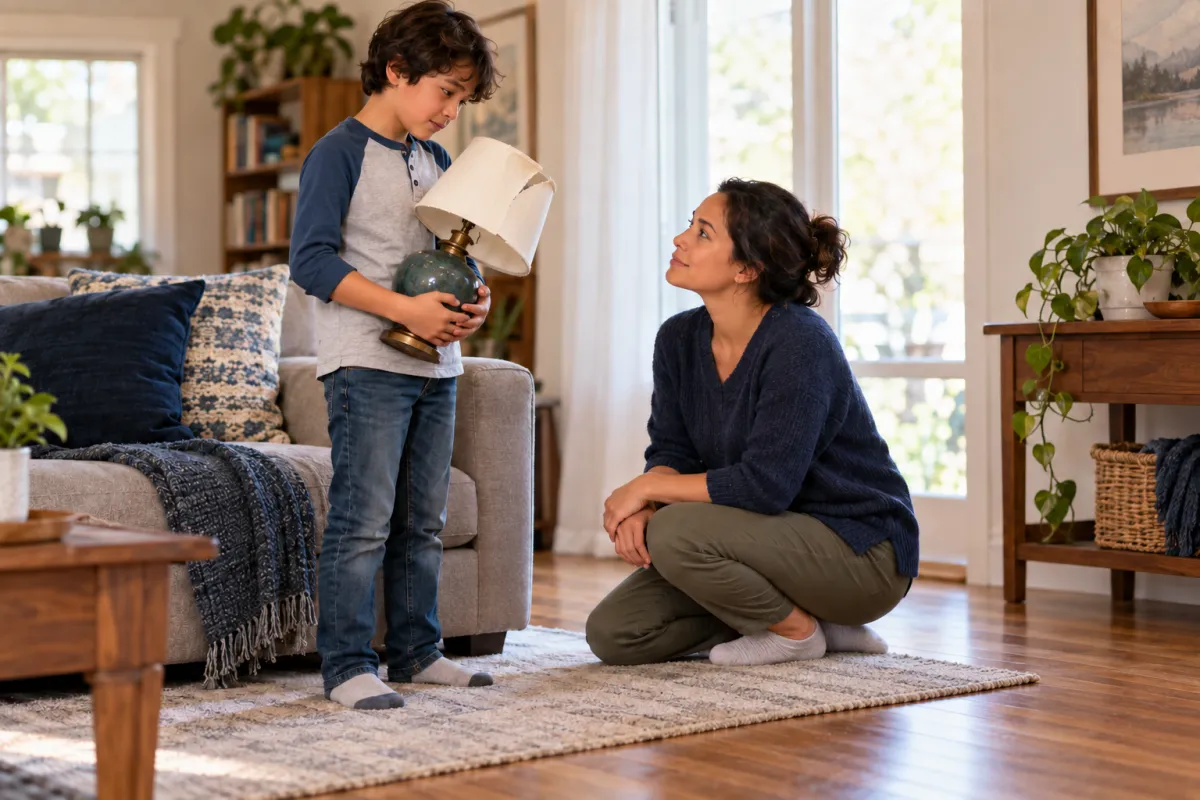
Virtues show up in what a child does. Honesty shows up when a child tells you they broke the lamp before you find the pieces. Responsibility shows up when they follow through on a promise, even though it is no longer fun. Courage shows up when they do the right thing while others watch and say nothing.
This is why we treat Virtue & Character as the foundation of Life Readiness. Practical skills give a child ability. Virtue and character help guide how that ability is used. Honesty builds trust. Responsibility supports follow-through. Courage and respect help a child make good choices when the easier choice may not be the right one.
We often say virtue is the rebar inside the concrete. You may not see it in the finished structure, but it helps hold everything together.
So how do ordinary families build it? Most of it happens in small moments you are already living through:
Say what you value out loud. You might say, “In our family, we tell the truth even when it is uncomfortable.”
Let your child see it in you. Children notice when you return extra change or admit that you made a mistake.
Notice effort and honesty when you see them. Try saying, “I know that was hard to admit. Thank you for telling me.”
Respond to mistakes with patience. A calm response can make it easier for a child to tell the truth and try again.
Not every moment needs to become a lesson. Some days, your child simply needs a hug and a snack. Character grows over years in a home where values are lived more often than they are lectured about.
These qualities give everything else in a child’s Readiness Pack direction.
This week, consider asking your child, “When did you see someone do something brave or kind?” Then listen. You may be surprised by what they have been noticing.
Want to explore this further?
Raising Children Capable of Leaving Home looks more deeply at how parents can help children develop virtue, resilience, responsibility, and the practical capabilities they will need for adult life.


